
Vietnam’s Fruit Basket Is Becoming an Export Powerhouse
For decades, the Mekong Delta was known as Vietnam’s rice bowl. Today, it is also becoming one of Asia’s most important tropical fruit export regions.
Stretching across southern Vietnam, the Delta is a fertile network of rivers, canals, orchards, islands and alluvial plains. Its farmers grow some of the country’s most valuable fruits: durian, mango, coconut, pomelo, jackfruit, dragon fruit, rambutan, longan, pineapple and citrus.
This shift is happening at exactly the right time. Vietnam’s fruit and vegetable exports reached a record US$8.5 billion in 2025, and the industry is targeting around US$10 billion in 2026, driven by high-value products such as durian, coconut, banana, mango, jackfruit and pomelo.
In the first five months of 2026 alone, Vietnam’s fruit and vegetable exports reached nearly US$3 billion, up 29.4% year-on-year. Processed fruit and vegetable products also accounted for 35.8% of export value in the first four months of 2026, showing that Vietnam is moving beyond raw fruit into higher-value supply chains.
For global buyers, importers and investors, the Mekong Delta is no longer just a production zone. It is becoming a strategic sourcing region.
Where Is the Mekong Delta Fruit Export Region?
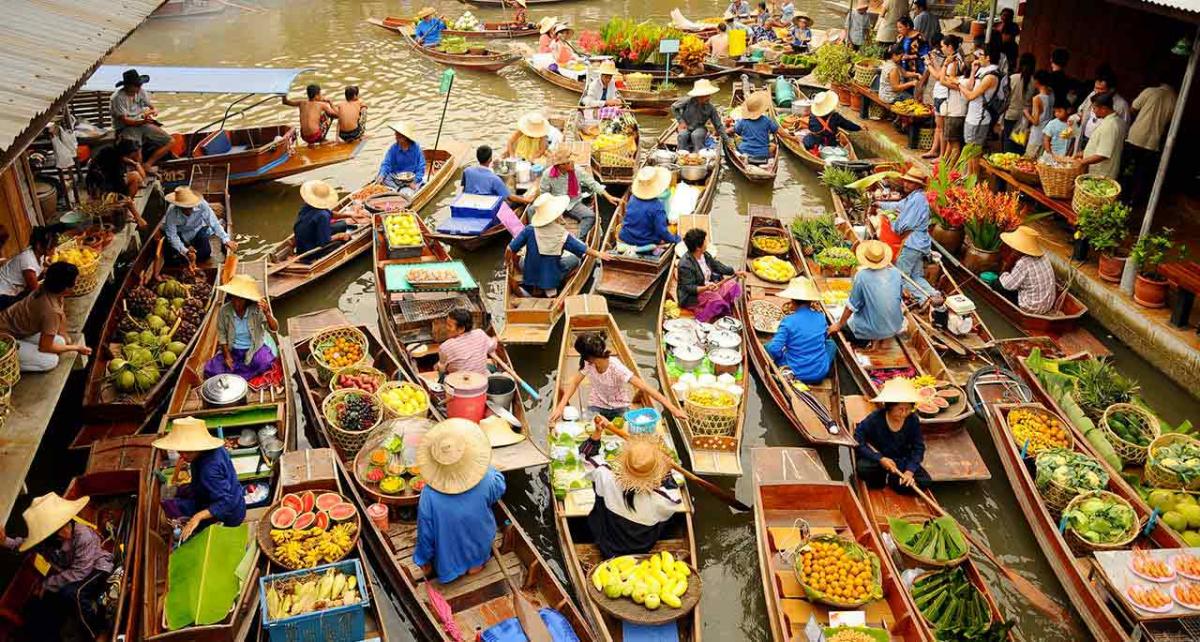
The Mekong Delta sits in southern Vietnam, downstream from the Mekong River before it flows into the sea. The region’s fruit strength comes from three natural advantages:
First, the Delta has rich alluvial soil created by river sediment. Second, it has a dense canal and river network that supports irrigation, local transport and orchard cultivation. Third, its tropical climate allows many fruits to be grown year-round or in staggered harvest seasons.
After Vietnam’s 2025 administrative restructuring, the Mekong Delta region is being organized into larger provincial-level units, including Can Tho City, Vinh Long, Dong Thap, An Giang and Ca Mau, while the wider southwestern region also includes Tay Ninh after its merger with Long An. Some famous fruit names still refer to former provinces such as Tien Giang, Ben Tre, Vinh Long and Dong Thap, because these names remain deeply connected to fruit branding, production zones and buyer recognition.
The Delta is especially important because it combines production, waterway logistics, farmer experience, cooperative networks and proximity to Ho Chi Minh City, Vietnam’s largest commercial and export service hub.
Why the Mekong Delta Matters to Vietnam’s Fruit Exports
The Mekong Delta accounts for nearly 32% of Vietnam’s fruit production, according to a 2025 report citing the Ministry of Agriculture and Environment.
That number is significant because Vietnam is not a small fruit producer. The broader southern region had more than 1.3 million hectares of fruit orchards in 2025, with output expected to reach around 7.3 million tonnes. Key fruits such as durian, mango, jackfruit and orange all expanded in both area and output.
The Mekong Delta’s role is not only about volume. It is about export diversity. Few regions can offer such a wide range of tropical fruits within one sourcing geography.
For an importer, this means one region can support multiple product lines:
- Fresh durian
- Frozen durian
- Fresh coconut
- Coconut water
- Desiccated coconut
- Mango
- Dragon fruit
- Pomelo
- Jackfruit
- Rambutan
- Longan
- Pineapple
- Citrus
- Processed fruit
- Dried fruit
- Purees and juices
That makes the Mekong Delta highly valuable for buyers who want to build a Vietnam fruit portfolio rather than source only one product.
The Main Export Fruits of the Mekong Delta
| Segment | Key fruits/products | Main Mekong Delta clusters | Main export forms | Priority markets | Strategic strengths | Main risks | Best opportunities |
|---|---|---|---|---|---|---|---|
| Durian belt | Ri6 durian, Monthong-type durian, fresh durian, frozen durian pulp | Dong Thap, former Tien Giang, Vinh Long, Can Tho-linked trading zones | Fresh whole fruit, frozen pulp, peeled frozen durian, puree | China first; also ASEAN, Korea, Japan, premium ethnic markets | High export value, strong Chinese demand, off-season production advantage in parts of the Delta | Code misuse, cadmium/chemical residue risk, over-expansion, quality inconsistency, dependence on China | Verified growing-area codes, certified packing houses, frozen durian processing, premium origin branding |
| Coconut belt | Fresh coconut, coconut water, coconut milk, desiccated coconut, coconut oil, coconut fiber | Former Ben Tre, Tra Vinh, Vinh Long, coastal Delta areas | Fresh young coconut, bottled coconut water, coconut milk, cream, oil, dried coconut, fiber products | China, US, EU, Korea, Japan, Middle East | Multi-product value chain; strong Ben Tre origin story; high processing potential | Fresh coconut shelf-life, processing quality, organic certification consistency | Organic coconut zones, branded coconut water, coconut-based ingredients, coconut fiber/eco-materials |
| Mango belt | Cat Chu mango, Hoa Loc mango, green mango, processed mango | Dong Thap, former Tien Giang, An Giang, Can Tho trade/packing links | Fresh mango, dried mango, frozen mango, IQF cubes, puree, juice | China, Korea, Japan, Australia, US, EU | Recognized varieties, strong fresh and processed potential | Post-harvest loss, uneven grading, treatment requirements for premium markets | IQF mango, dried mango, premium gift mango, mango puree for food industry |
| Pomelo belt | Green-skinned pomelo, Nam Roi pomelo, pink-flesh pomelo | Vinh Long, former Ben Tre, Can Tho, Hau Giang-linked areas | Fresh pomelo, peeled pomelo, pomelo juice, pomelo essential oil from peel | China, EU, US, Korea, Japan | Better shelf life than many tropical fruits; premium gifting potential | Strict phytosanitary controls, fruit fly risk, size/appearance consistency | China official-access expansion, premium boxed pomelo, pomelo peel value-added products |
| Jackfruit belt | Fresh jackfruit, ripe jackfruit, young jackfruit, dried jackfruit | Former Tien Giang, Vinh Long, Can Tho, Dong Thap, Hau Giang-linked zones | Fresh, frozen, dried chips, canned, young jackfruit for plant-based foods | China, ASEAN, EU, US vegetarian/vegan ingredient markets | Large fruit, high processing flexibility, plant-based ingredient story | Price volatility, oversupply cycles, uneven quality | Jackfruit chips, frozen jackfruit, young jackfruit meat substitute |
| Dragon fruit belt | White-flesh dragon fruit, red-flesh dragon fruit | Long An/Tay Ninh-linked southwest trade corridor, former Tien Giang, Delta-adjacent southern zones | Fresh fruit, dried slices, juice, puree, powder | China, India, ASEAN, EU, US | Strong Vietnam export recognition; year-round potential | Heavy China dependence, price cycles, disease pressure | Red-flesh premium positioning, dried dragon fruit, diversified export markets |
| Pineapple belt | Queen pineapple, MD2-type pineapple, processing pineapple | Former Tien Giang, Kien Giang, Hau Giang-linked areas | Fresh, canned, juice, concentrate, dried, frozen chunks | EU, US, Japan, Korea, China, ASEAN | Excellent processing fruit; useful for juice/canning industries | Fresh export is harder than processing; price depends on factory demand | Pineapple juice, canned pineapple, dried pineapple, mixed tropical fruit packs |
| Longan & rambutan belt | Longan, rambutan, chôm chôm, nhãn | Vinh Long, former Ben Tre, Tien Giang, Dong Thap | Fresh, frozen, canned, dried longan | China, ASEAN, US/EU niche Asian fruit markets | Strong traditional Delta fruit identity; domestic and regional demand | Short shelf life, treatment requirements, cold-chain dependence | Frozen/canned longan, premium rambutan for Asian retail, tourism-linked branding |
| Citrus belt | Orange, mandarin, lime, lemon, pomelo-related citrus | Vinh Long, Dong Thap, Hau Giang, Can Tho-linked zones | Fresh, juice, essential oil, peel products | China, domestic premium, ASEAN, EU ingredient markets | Strong domestic demand, good processing possibilities | Disease pressure, greening disease, residue controls | Juice, citrus oil, dried peel, premium local-branded citrus |
| Processed tropical fruit hub | Frozen durian, IQF mango, dried mango, pineapple juice, jackfruit chips, coconut products | Tien Giang, Vinh Long, Can Tho, Ben Tre/Vinh Long, HCMC logistics link | Frozen, dried, canned, puree, juice, concentrate, branded retail packs | US, EU, Japan, Korea, China, Australia, Middle East | Reduces waste, stabilizes price, extends shelf life, supports distant markets | Requires capital, food safety systems, cold chain, factory standards | Highest long-term value-added opportunity for FarmVina-style B2B sourcing |
1. Durian: The New Billion-Dollar Star
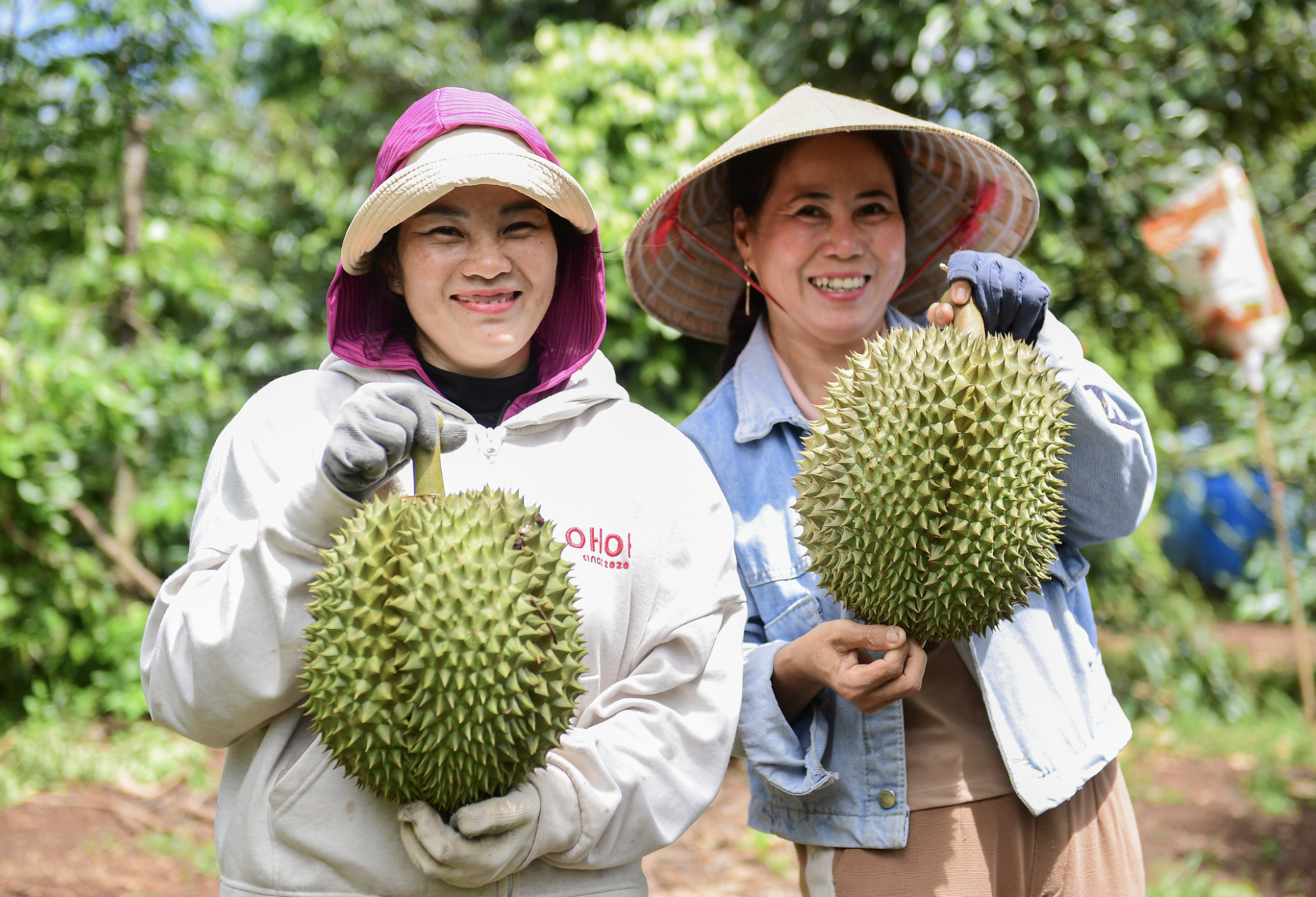
Durian has become the most powerful growth engine in Vietnam’s fruit export story.
Nationally, Vietnam had around 192,000 hectares of durian plantations, with output reaching about 1.8 million tonnes in 2025 and expected to rise to 2.0–2.1 million tonnes in 2026. Vietnamese durian is exported to 28 markets worldwide, with China remaining the largest fruit and vegetable export market.
The Mekong Delta has a major advantage in durian because parts of the region can produce off-season fruit. This is strategically important. Thailand is still a durian giant, but Vietnam can compete by supplying during different harvest windows, especially when Chinese demand remains strong.
Dong Thap and former Tien Giang are among the most important durian zones in the Delta. Dong Thap’s own provincial reporting notes that Vietnam’s durian exports to China reached approximately US$4 billion in 2025, while Dong Thap leads the country in licensed durian growing-area and packing-facility codes.
But durian also shows the biggest lesson for Vietnam’s fruit export future: growth without discipline is risky. China has tightened controls on plant quarantine, food safety, cadmium, auramine O and traceability. Vietnam News reported that China had approved a total of 1,469 planting areas and 188 packaging facilities for Vietnamese durian exports to China as of May 2025, but also warned about code trading, origin falsification and inconsistent compliance.
For buyers, the message is clear: Vietnamese durian has huge potential, but supplier verification is essential.
2. Coconut: Ben Tre’s Legacy Becomes a Global Product
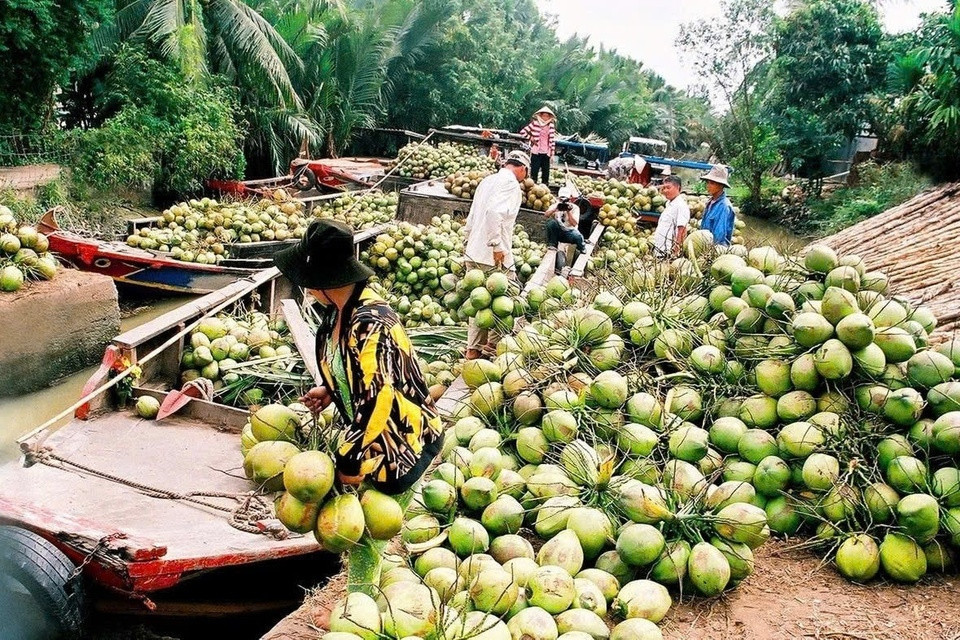
Coconut is one of the Mekong Delta’s most strategic export fruits because it can be sold in many forms: fresh coconut, coconut water, coconut milk, coconut cream, desiccated coconut, coconut oil, coconut fiber and coconut-based snacks.
Former Ben Tre Province, now part of the new Vinh Long Province, is Vietnam’s best-known coconut capital. VietnamPlus reported that Ben Tre aims to raise its coconut area to around 80,000 hectares in the 2026–2030 period, including 25,000 hectares of organic coconuts. The province also targets coconut export turnover of around US$2 billion.
Coconut is attractive because it is not only a fresh-fruit export. It is an ingredient industry. A coconut can become beverage, food, cosmetics, fiber, fertilizer, packaging material or value-added consumer product.
For FarmVina’s audience, coconut is one of the best examples of how Vietnam can move from raw agricultural exports to branded, processed, higher-margin products.
3. Mango: A Premium Fruit With Room to Upgrade
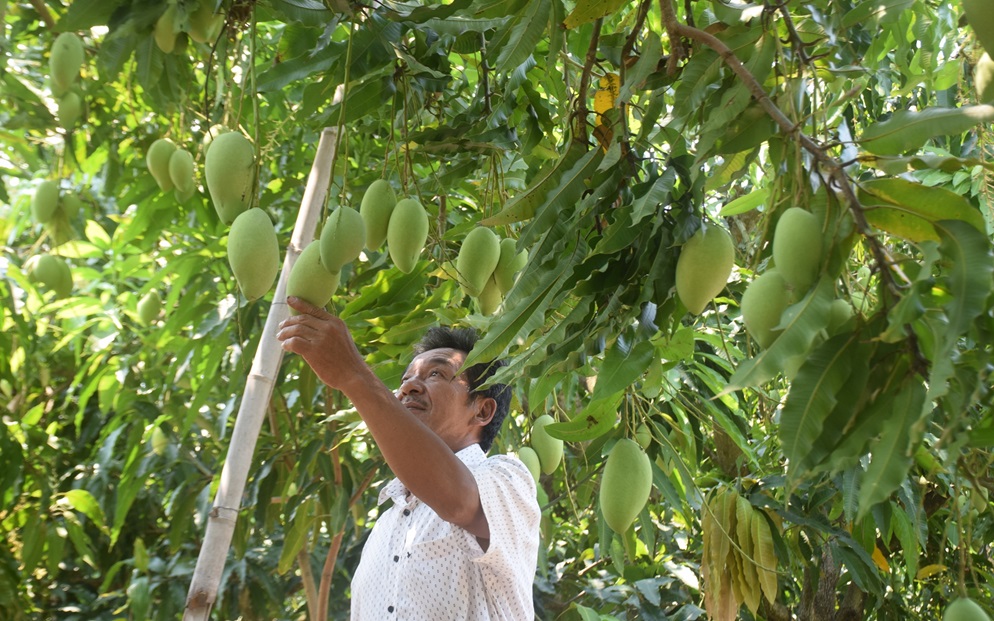
Mango is one of the Mekong Delta’s signature fruits, especially in former Tien Giang and Dong Thap. Vietnam has several well-known mango varieties, including Cat Chu mango, Hoa Loc mango and green-skinned elephant mango.
Tien Giang is actively developing fruit value chains and processing capacity. Nhan Dan reported that the province has 14 fruit processing plants with a combined capacity of more than 47,000 tonnes per year. By 2030, Tien Giang expects to reach 88,600 hectares of fruit cultivation, producing about 1.85 million tonnes, with key crops including durian, dragon fruit, mango, pineapple, green-peel pomelo and jackfruit.
Mango’s opportunity is not only fresh fruit. The stronger long-term opportunity is processed mango:
- Frozen mango
- Dried mango
- Mango puree
- Mango juice
- IQF mango cubes
- Mango for bakery and dessert manufacturers
- Premium mango gift boxes
Fresh mango exports require strict post-harvest handling, hot-water treatment or irradiation depending on market requirements, and consistent grading. Processed mango can reduce waste, stabilize farmer income and capture value from imperfect but edible fruit.
4. Pomelo: A Rising Export Fruit for Demanding Markets
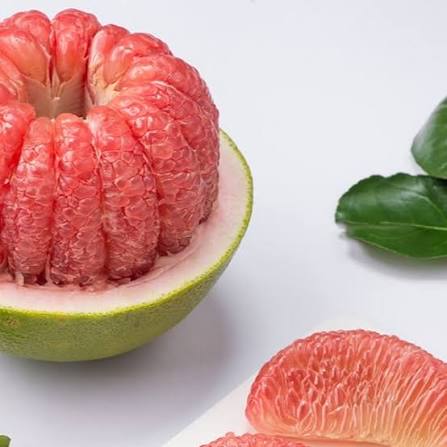
Pomelo is one of the Delta’s most promising premium fruits. Vinh Long, Ben Tre and surrounding areas are known for green-skinned pomelo and Nam Roi pomelo.
VietnamPlus reported in June 2026 that Vinh Long’s green-skinned pomelo sector is scaling up specialized growing zones and tightening standards for export. The province has about 18,000 hectares of pomelo, including more than 13,800 hectares of pink-fleshed green-skinned pomelo, with more than 10,000 hectares already bearing fruit and yields of 12–15 tonnes per hectare annually.
Pomelo also received an important market-access boost in 2026. Vietnam and China signed a protocol on phytosanitary requirements for exporting fresh pomelos and lemons from Vietnam to China. Under the protocol, growing areas and packing facilities must be registered with Vietnam’s Ministry of Agriculture and Environment and approved by China’s GACC. Requirements include GAP, IPM, fruit fly traps, fruit bagging and hygiene controls at packing facilities.
Vietnam currently has around 106,000 hectares of pomelo cultivation, producing more than one million tonnes annually, with recognized varieties such as Da Xanh and Nam Roi.
For exporters, pomelo is attractive because it has better shelf life than many tropical fruits and can be suitable for both road and sea transportation.
5. Jackfruit, Dragon Fruit, Rambutan, Longan and Pineapple
Beyond durian, coconut, mango and pomelo, the Mekong Delta also has a broad fruit base that supports both fresh and processed exports.
Jackfruit is popular in China and can also be processed into chips, frozen pieces, canned fruit and plant-based food ingredients.
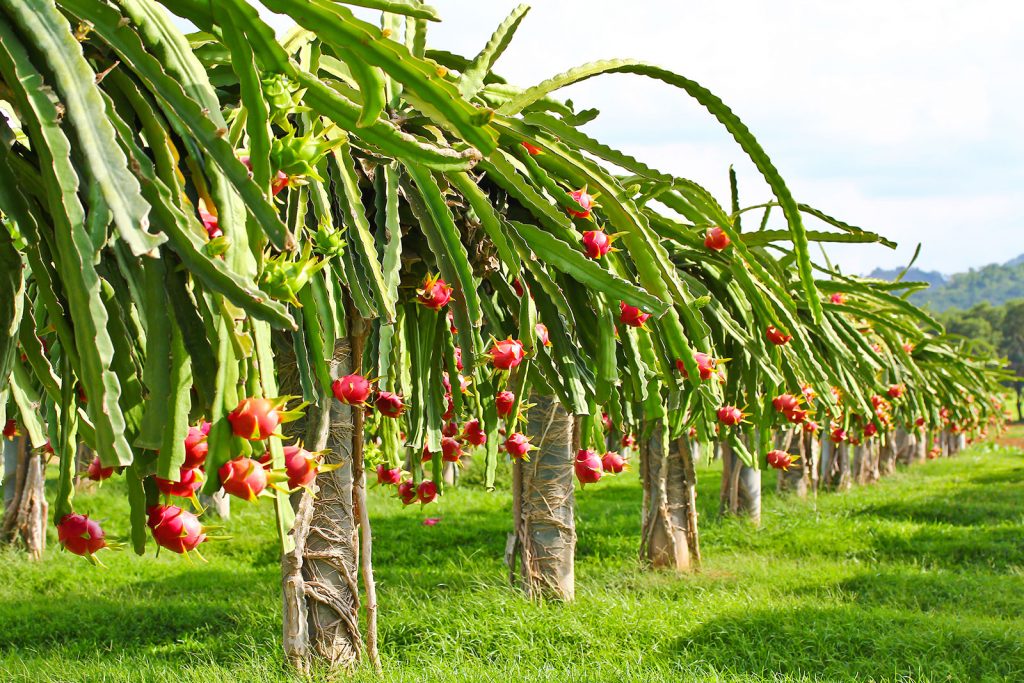
Dragon fruit remains one of Vietnam’s recognizable export fruits, although the industry has faced price cycles and dependence on China. The future of dragon fruit depends on better varieties, branding, packaging, market diversification and processing.
Rambutan and longan are traditional Delta fruits with strong domestic and regional demand. Their export potential depends heavily on post-harvest treatment, cold chain and access to high-value markets.
Pineapple is important for processing, especially juice, canned fruit, dried fruit and industrial ingredients. Tien Giang has long been associated with pineapple production, especially in Tan Phuoc.
These fruits are not always as spectacular as durian in export value, but they matter because they diversify farmer income and reduce dependence on one crop.
| Fruit | Export attractiveness | Main buyer logic | Best product formats | Compliance focus | Investment score | FarmVina content angle |
|---|---|---|---|---|---|---|
| Durian | Very high | China demand, premium tropical fruit, off-season supply | Fresh durian, frozen pulp, peeled frozen durian | Growing-area codes, packing-house codes, residue testing, cadmium/auramine O control, traceability | 9.5/10 | “Vietnam durian export guide,” “Dong Thap durian sourcing,” “Fresh vs frozen durian export” |
| Coconut | Very high | Multi-use ingredient, beverage, health-food and processed-food demand | Fresh coconut, coconut water, coconut milk, oil, desiccated coconut | Organic certification, processing hygiene, shelf-life, packaging | 9/10 | “Ben Tre coconut export region,” “Vietnam coconut water export,” “Organic coconut value chain” |
| Pomelo | High | Premium fresh fruit, gifting, longer shelf life | Fresh pomelo, peeled pomelo, juice, peel oil | Phytosanitary protocol, fruit fly control, GAP, packing-house hygiene | 8.5/10 | “Vietnam pomelo export to China,” “Green-skinned pomelo sourcing guide” |
| Mango | High | Recognized tropical fruit, fresh and processed demand | Fresh mango, IQF mango, dried mango, puree | Post-harvest treatment, maturity, brix, residue, cold chain | 8.5/10 | “Cat Chu mango vs Hoa Loc mango,” “Vietnam mango export guide” |
| Jackfruit | Medium-high | Fresh demand plus plant-based food ingredient potential | Fresh, frozen, dried chips, canned, young jackfruit | Food safety, consistency, processing standards | 7.5/10 | “Vietnam jackfruit export,” “Young jackfruit as plant-based ingredient” |
| Pineapple | Medium-high | Strong processing demand | Juice, concentrate, canned, dried, frozen | Factory standards, brix, acidity, pesticide control | 7.5/10 | “Tien Giang pineapple processing,” “Vietnam pineapple juice export” |
| Dragon fruit | Medium | Known Vietnam export fruit but competitive and cyclical | Fresh, dried, puree, powder | Market diversification, disease control, cold chain | 7/10 | “Vietnam dragon fruit export beyond China” |
| Longan | Medium | Strong Asian demand, fresh and dried forms | Fresh, dried, canned, frozen | Treatment, cold chain, shelf-life | 6.5/10 | “Vietnam longan export guide” |
| Rambutan | Medium | Attractive tropical fruit for Asian retail | Fresh, canned, frozen | Cold chain, appearance, shelf-life | 6/10 | “Vietnam rambutan sourcing guide” |
| Citrus / lime / lemon | Medium | Domestic strength, rising China protocol relevance for lemon/pomelo | Fresh, juice, peel oil, dried peel | Phytosanitary control, disease management | 6.5/10 | “Vietnam citrus export potential” |
The Export Markets: China First, But Not China Only
China remains the most important market for Vietnam’s fruit exports. Its proximity, large consumer base and rising demand for tropical fruit make it the natural first destination for many Mekong Delta products.
However, dependence on one major market creates risk. Import rules can change. Border trade can tighten. Quality inspections can become stricter. Consumer demand can shift. A disease or residue issue can damage an entire product category.
That is why Vietnam is also negotiating and expanding market access to the US, Japan, South Korea, Australia and the EU. The Ministry of Agriculture and Environment has emphasized diversifying fruit exports into high-value markets to reduce dependence on a single destination.
For the Mekong Delta, the best strategy is not choosing between China and premium markets. It is building a two-layer export model:
China and regional Asia for scale.
Australia, Japan, Korea, the US and EU for standards, branding and premium value.
Why Traceability Is Now the Center of the Game?
The next stage of Mekong Delta fruit exports will be won by traceability.
In the past, fruit exports could grow through trader networks, seasonal demand and border trade. That model is no longer enough. Official export channels require:
- Registered growing-area codes
- Approved packing facilities
- Production diaries
- Pest monitoring
- Pesticide residue control
- Origin transparency
- Cold-chain management
- Phytosanitary compliance
- Consistent grading
- Food safety documentation
The durian sector shows why this matters. Some producers have focused on obtaining growing-area and packing codes but have failed to maintain continuous compliance. Authorities have warned about code misuse, code trading, origin falsification and poor record-keeping.
For serious importers, this means supplier selection should go beyond price. A good Vietnamese fruit supplier should be able to show:
- Farm or cooperative origin
- Growing-area code
- Packing-facility code
- Export history
- Quality-control process
- Residue-testing ability
- Cold-chain capacity
- Traceability records
- Market-specific compliance knowledge
- Stable relationship with growers
This is where FarmVina can create real value: helping buyers understand not just what fruit to buy, but how to source safely.
Processing: The Next Big Upgrade
Fresh fruit brings visibility, but processing brings resilience.
Vietnam’s fruit export sector is already moving in this direction. In the first four months of 2026, processed fruit and vegetable products accounted for 35.8% of total export value, up from 29.3% a year earlier.
For the Mekong Delta, processing can solve several problems at once.
It reduces waste during peak harvest. It absorbs second-grade fruit that may not meet fresh-export appearance standards. It extends shelf life. It allows Vietnam to ship to more distant markets. It creates branded products instead of commodity shipments. It helps farmers stabilize income when fresh-fruit prices fall.
The strongest processing opportunities include:
- Frozen durian pulp
- IQF mango
- Dried mango
- Coconut water
- Coconut milk
- Desiccated coconut
- Pomelo juice
- Passion fruit puree
- Jackfruit chips
- Pineapple juice
- Mixed tropical fruit packs
- Fruit powders
- Natural fruit ingredients for food manufacturers
In the long run, the Delta’s biggest export opportunity may not be “more fruit.” It may be better fruit products.
Climate Risks: The Delta’s Biggest Long-Term Challenge
The Mekong Delta is highly productive, but also vulnerable.
The region faces salinity intrusion, drought, land subsidence, riverbank erosion, changing flood patterns and sea-level rise. The Ministry of Agriculture and Environment describes the Delta as a region where climate change is already reshaping how people live and produce, with salinity intrusion, prolonged droughts and unpredictable floods creating pressure on farming systems.
Fruit orchards are particularly exposed because trees are long-term investments. If a rice field has a bad season, farmers can replant next crop. If a durian, pomelo or mango orchard is damaged by saltwater, disease or drought, the financial loss can last for years.
This is why the future of the Mekong Delta fruit export region must be climate-smart.
Farmers, cooperatives and exporters will need:
- Freshwater storage
- Salinity monitoring
- Soil health management
- Drip irrigation
- Mulching
- Organic matter restoration
- Better drainage
- Rootstock selection
- Crop zoning by salinity risk
- Drought-adapted farm planning
- Smart weather alerts
- Crop diversification
The Delta cannot simply expand fruit orchards everywhere. It must plant the right fruit in the right ecological zone.
What Global Buyers Should Know Before Sourcing From the Mekong Delta
| What to check | Why it matters | Documents / evidence to request |
|---|---|---|
| Growing-area code | Required for official export of many fruits to China and other regulated markets | Code registration, farm list, map, production diary |
| Packing-facility code | Confirms the facility is approved for specific export channels | Packing-house code, inspection records, photos, SOPs |
| Phytosanitary compliance | Prevents shipment rejection due to pests or quarantine issues | Phytosanitary certificate, pest-monitoring records |
| Residue testing | Critical for China, EU, Japan, Korea, US and premium buyers | Pesticide residue test reports, lab certificates |
| Traceability system | Protects buyer from origin fraud and mixed-quality lots | QR traceability, lot codes, farm-to-packing records |
| Cold-chain capacity | Determines arrival quality and shelf life | Temperature logs, cold-storage photos, truck/container records |
| Export history | Shows operational experience | Past BLs, packing lists, export markets served |
| Variety and grade specification | Avoids mismatch between buyer expectation and actual fruit | Size chart, brix target, maturity index, defect tolerance |
| Processing certification | Required for frozen, dried, canned and juice products | HACCP, ISO 22000, BRCGS, organic, GlobalGAP where applicable |
| Supplier transparency | Reduces fraud, code trading and inconsistent sourcing | Site visit, video call, third-party audit, cooperative contracts |
The Mekong Delta is full of opportunity, but buyers should approach it professionally.
The biggest mistake is to source only through the cheapest trader. That may work once, but it is not a stable strategy for high-standard markets.
A better sourcing process looks like this:
First, identify the fruit and target market. China, the US, Australia, Japan and the EU all have different requirements.
Second, check whether the product has official market access and what treatment is required.
Third, verify the growing area, packing house and export documentation.
Fourth, inspect the supplier’s cold chain and handling process.
Fifth, start with a trial shipment before scaling.
Sixth, build direct relationships with cooperatives, processors and exporters.
Seventh, invest in repeatable specifications: size, grade, brix, maturity, residue limits, packaging and shelf-life target.
For premium markets, the best supplier is not always the biggest. It is the one that can deliver consistent quality, transparent records and honest communication.
Investment Opportunities in the Mekong Delta Fruit Export Region
For investors and agribusinesses, the best opportunities are not only in farming. In fact, the more attractive opportunities may be in the support layers around farming.
High-potential areas include:
1. Packing houses
The Delta needs more modern packing facilities that meet export standards.
2. Cold storage
Cold-chain gaps remain a major bottleneck for fresh fruit exports.
3. Processing plants
Frozen, dried, juiced and pureed products can capture value from seasonal oversupply.
4. Traceability systems
QR-code traceability, farm diaries and compliance software will become more important.
5. Cooperative-linked raw material zones
Exporters need stable supply from organized growers.
6. Smart irrigation and salinity monitoring
Climate risk will drive demand for water-management technology.
7. Organic and low-residue production
Premium markets reward clean, certified and well-documented supply.
8. Fruit tourism and branding
The Delta’s orchards can also support agri-tourism, product storytelling and regional branding.
The best investment thesis is not “buy land and plant durian.” That is too simple and increasingly risky. The smarter thesis is:
Build the infrastructure that helps many farmers meet export standards.
The Future: From Fruit Basket to Branded Tropical Food Region
The Mekong Delta has the natural conditions, farmer knowledge and product diversity to become one of Asia’s great tropical fruit regions.
But the next stage will require discipline.
The region must move from fragmented orchards to organized value chains. From raw fruit to processed products. From trader-led exports to compliance-led exports. From short-term planting booms to climate-smart zoning. From anonymous fruit to branded, traceable, origin-based products.
Durian may be the current star. Coconut may become the strongest processed-product platform. Pomelo may become a premium fresh-fruit story. Mango may become a major processed and fresh export. Jackfruit, rambutan, longan, dragon fruit and pineapple can strengthen the region’s diversity.
The Mekong Delta’s future will not be defined by one fruit. It will be defined by its ability to turn a whole fruit ecosystem into a reliable export engine.
For importers, this is a sourcing opportunity.
For farmers, it is a chance to upgrade income.
For processors, it is a value-added frontier.
For FarmVina, it is one of Vietnam’s most important agricultural stories.
FAQ
What fruits is the Mekong Delta famous for?
The Mekong Delta is famous for durian, mango, coconut, pomelo, jackfruit, dragon fruit, longan, rambutan, pineapple and citrus. Different areas specialize in different fruits, such as durian in Dong Thap and former Tien Giang, coconut in former Ben Tre, and pomelo in Vinh Long.
Why is the Mekong Delta important for fruit exports?
The region combines fertile alluvial soil, tropical climate, dense waterways, experienced farmers and proximity to Ho Chi Minh City. It accounts for nearly 32% of Vietnam’s fruit production and is one of the country’s most important fruit-growing regions.
Which Mekong Delta fruit has the highest export potential?
Durian currently has the strongest export value, especially to China. Coconut, mango and pomelo also have strong long-term potential because they can serve both fresh and processed markets.
Is China the main market for Mekong Delta fruit?
China is the most important market for many Vietnamese fruits, especially durian. However, Vietnam is also expanding access to markets such as the US, Japan, South Korea, Australia and the EU.
What is the biggest challenge for Mekong Delta fruit exports?
The biggest challenges are traceability, fragmented production, inconsistent quality, climate change, salinity intrusion, cold-chain limitations and dependence on a few major export markets.
What should importers check before buying fruit from the Mekong Delta?
Importers should check growing-area codes, packing-facility codes, residue testing, phytosanitary compliance, cold-chain capacity, export history and supplier transparency. For premium markets, documentation is as important as price.
Originally posted 2026-07-06 09:22:41.